NOM-247-SE-2021: Mandatory Compliance for Real Estate Developers
Es común adquirir un inmueble a través de una empresa, sociedad o fideicomiso constituido previamente. Pero esta estrategia también requiere una auditoría legal específica.


Es común adquirir un inmueble a través de una empresa, sociedad o fideicomiso constituido previamente. Pero esta estrategia también requiere una auditoría legal específica.

Es común adquirir un inmueble a través de una empresa, sociedad o fideicomiso constituido previamente. Pero esta estrategia también requiere una auditoría legal específica.

In condominium life, proper management does not depend solely on the administrator or the Management Committee. There is a key figure responsible for ensuring order, transparency, and regulatory compliance: the Chair of the Oversight Committee. This role goes far beyond a merely observational function. It involves active supervision, with a direct impact on condominium governance, the protection of common property, and the prevention of legal disputes among condominium owners. Below, we outline the essential functions, duties, and legal responsibilities associated with this position. 1.General supervision of the condominium The primary function of the Chair of the Oversight Committee is to ensure that the condominium is managed in an orderly, lawful, and efficient manner. This includes overseeing: The proper administration of common resources Compliance with internal regulations The actions of the administrator and the Management Committee The Chair’s role is to verify that operational and financial decisions comply with applicable regulations and the resolutions adopted by the Assembly. Review of accounts and financial transparency One of the most sensitive responsibilities of this position is the periodic review of the condominium’s financial information. The Chair must review, among other matters: Income and expenses Maintenance fees Reserve funds Accounting and banking reports The objective is to detect irregularities in a timely manner, prevent mismanagement of resources, and ensure transparency toward the condominium owners. Verification of regulatory compliance The Chair of the Oversight Committee must confirm that the administration complies with: The condominium’s internal regulations The applicable Horizontal Property Law The resolutions approved by the Assembly Safety, coexistence, and operational rules This preventive oversight function is essential to reducing legal and operational risks that could otherwise lead to disputes or sanctions. Convening and participation in Assemblies Although the Assembly is the highest authority within the condominium, the Chair of the Oversight Committee plays an important role in its proper functioning. Among the Chair’s powers are: Requesting the convening of meetings when necessary Presenting oversight and supervision reports Proposing corrective or preventive actions In addition, the Chair must follow up on the resolutions adopted, ensuring that they are implemented as approved. Management of condominium owners’ complaints The Chair also serves as a point of contact for complaints or concerns raised by condominium owners. Their role includes: Receiving and documenting complaints Analyzing the facts objectively and impartially Promoting solutions within the scope of their authority It is important to note that the Chair should not replace the administrator or exceed the powers granted to the position, but rather act as a mechanism of balance and internal control. Legal responsibility of the position The Chair of the Oversight Committee may incur civil liability if they: Fail to properly perform their supervisory duties Tolerate or ignore known irregularities Act beyond the powers granted by law or internal regulations Fail to follow up on mismanagement or serious misconduct For this reason, the position must be exercised with diligence, adequate documentation, and, when appropriate, specialized legal advice. Recommended best practices For the proper performance of this role, it is advisable to: Maintain transparency in all reviews and reports Keep records and supporting documentation Hold regular meetings with the administration Communicate clearly and objectively with condominium owners Avoid conflicts of interest These practices strengthen condominium governance and significantly reduce legal risks. Conclusion A strong and well-advised Oversight Committee can prevent conflicts, avoid unnecessary expenses, and protect the condominium’s common property. At Roqueñí Abogados, we assist condominiums, committees, and administrators so they can operate with clarity, efficiency, and legal certainty, under a preventive and strategic approach.

Before acquiring land or real estate—particularly for industrial or commercial projects—it is essential to identify any underlying environmental risks that could compromise the value of the asset, restrict its future use, or result in unexpected legal and financial liabilities. For this purpose, environmental due diligence incorporates Phase I and Phase II environmental studies, which are critical tools for assessing the environmental condition of a property and supporting informed decision-making. What Are Phase I and Phase II Environmental Studies? Phase I and Phase II environmental studies form part of the Environmental Site Assessment (ESA) process. Their purpose is to identify, confirm, and evaluate the scope of potential environmental contamination affecting a property. These studies are conducted sequentially and in a complementary manner, depending on the findings identified during the initial assessment. Phase I: Initial Environmental Assessment Phase I consists of a documentary and field review aimed at identifying potential sources of contamination, without conducting sampling or chemical analysis. This assessment typically includes: Review of the property’s historical background and prior uses Consultation of official records and environmental databases Visual inspection of the site and surrounding areas to identify potential signs of contamination, such as spills, leaks, or high-risk activities Interviews with owners, occupants, or, where appropriate, relevant authorities The objective of Phase I is to identify environmental red flags that may justify a more detailed assessment, without physically disturbing the soil or existing facilities. Phase II: Confirmation and Scope of Environmental Risks When Phase I identifies potential contamination concerns, a Phase II study is conducted. This phase involves a more detailed technical assessment designed to confirm the existence, nature, and extent of environmental contamination. Phase II typically includes: Collection and analysis of soil, groundwater, or air samples Identification of specific contaminants and their concentration levels Evaluation of potential impacts on the property and surrounding areas Technical recommendations for remediation The results of a Phase II study allow stakeholders to estimate remediation costs, define implementation timelines, and assess the financial impact of any identified environmental liabilities. Why Are These Studies Decisive in Real Estate Transactions? In acquisition, leasing, or financing transactions, Phase I and Phase II environmental studies are often decisive for: Negotiating the purchase price or lease terms Defining clear remediation obligations between the parties Allocating or limiting future environmental liabilities Complying with the requirements of financial institutions and insurers Protecting the investment against unforeseen environmental contingencies Failing to conduct these studies can expose investors and developers to significant risks that may affect the feasibility and profitability of a project in both the medium and long term. The Importance of Legal Advice Specialized legal advice is essential to properly interpret the results of environmental studies and translate them into contractual protections, risk allocation mechanisms, and sound investment decisions. At Roqueñí Abogados, we go beyond traditional legal counsel. We act as strategic business partners, guiding our clients through every stage of the transaction to protect their investments and provide legal certainty for their real estate projects.

In any real estate project whether involving acquisition, sale, development, financing, or regularization accurate and consistent technical documentation is essential to ensure legal certainty and prevent future contingencies. Among these documents, the construction table stands out as one of the most relevant instruments for certifying the physical reality of a property. Although it is often confused with architectural plans or topographic surveys, the construction table serves a different and specific purpose: it translates the material reality of a building into clear, verifiable, and comparable information, providing both technical and legal support for a wide range of real estate transactions. What Is a Construction Table? A construction table is a document—typically presented as a plan, chart, or technical data sheet—that systematically details the physical and metric characteristics of a building. Its primary purpose is to certify that the construction corresponds to what is recorded in: Public deeds Plans authorized by the competent authorities Cadastral and municipal records In other words, the construction table confirms that the physical reality of the property aligns with its documentary records. What Information Does It Include? Depending on the nature and complexity of the project, a construction table may include, among other elements: Built areas by level Roofed and open areas Types of materials used Designated use of each space (residential, storage, parking, common areas, etc.) Consistency between actual measurements and those reflected in deeds or approved plans The clarity and accuracy of this information are essential to demonstrate the legality and integrity of the property before authorities, notaries, financial institutions, and potential buyers. Why Is It Essential in Any Real Estate Transaction? A well-prepared and consistent construction table provides a solid basis for decision-making and significantly reduces the risk of legal or tax contingencies. In practice, it plays a key role in: Regularizing properties prior to transfer Before a sale, merger, capital contribution, inheritance process, or financing transaction, it is critical to confirm that the constructed areas match what is formally registered. Even minor discrepancies may delay—or prevent—the transaction altogether. Updating official documentation The construction table serves as a fundamental reference for: Updating public deeds Obtaining cadastral certificates Processing alignment and official address numbers Reviewing existing licenses or permits Supporting property appraisals Property valuations depend directly on the accuracy of physical data. A reliable construction table provides certainty to appraisers, financial institutions, buyers, and investors. Preventing legal or tax contingencies Inconsistencies in surface areas, materials, or designated uses may result in fines, additional tax assessments, costly rectifications, or ownership disputes. How Does It Relate to the Topographic Survey? Although both documents are often prepared as part of the same process, they serve different but complementary functions: The topographic survey defines the boundaries and dimensions of the land. The construction table describes what has been built on that land. Together, they provide a comprehensive view of the property and offer legal, technical, and operational certainty to developers, investors, and property owners. Conclusion A properly prepared construction table is not merely a technical document—it is a strategic tool for protecting investments, streamlining procedures, and ensuring legal certainty in any real estate project. From property regularization to transfer, this instrument facilitates transactions, prevents discrepancies, and builds confidence among all parties involved. At Roqueñí Abogados, we guide our clients through every stage of the real estate lifecycle, ensuring that each technical document complies with applicable regulations and delivers the certainty that today’s projects demand. Roqueñí AbogadosMore than legal advisors—we are your business partners.

It is common for real estate in Mexico to be acquired through an existing company, partnership, or trust previously created. While this strategy can offer significant advantages, it also requires a targeted legal audit to ensure that both the asset and the entity holding it are free of contingencies.

The customer experience in the real estate sector is no longer limited to a simple physical visit to a development, shopping center, or property. Today, users interact with brands and projects through multiple digital and in-person channels, expecting a seamless, consistent, and personalized experience at every touchpoint. In this context, omnichannel strategies have become a key element for developers, brokers, real estate funds, and brands seeking to remain competitive in an increasingly demanding market. What Is Omnichannel? Omnichannel refers to the strategic integration of all communication and sales channels—both digital and physical—into a single, connected experience. Unlike traditional approaches, where each channel operates independently, omnichannel enables customers to move seamlessly between channels while maintaining continuity in information, service, and engagement. The objective is to deliver a consistent and personalized experience, regardless of how or where the customer interacts with the real estate project. How Is Omnichannel Applied in the Real Estate Sector? In real estate, omnichannel connects the entire customer journey, from the initial point of contact through the post-transaction stage. Common applications include: Digital pre-sale platforms Virtual tours and immersive experiences Automated customer service through chatbots Integration of physical and digital channels during negotiations Post-sale follow-up and customer relationship management This level of integration allows information to flow in a structured and consistent manner, enhancing the customer experience while optimizing internal business processes. Benefits of an Omnichannel Strategy Implementing an omnichannel strategy in real estate projects offers clear advantages for all stakeholders: Enhances buyer confidence through continuous and consistent service Improves operational efficiency by centralizing processes and data Facilitates information management, enabling more informed decision-making Strengthens long-term customer relationships, even after the transaction is completed In a market where customer experience plays an increasingly critical role, omnichannel becomes a true differentiating factor. Innovation Also Transforms Real Estate Legal Practice The evolution of customer interaction models in the real estate market requires corresponding adaptations in the legal structuring of projects. Contracts, marketing strategies, data protection frameworks, and regulatory compliance must be aligned with these new, integrated models of customer engagement. At Roqueñí Abogados, we support our clients in the legal structuring of real estate projects that evolve in step with new market dynamics. More than legal advisors—we are your business partners.

Acquiring real estate in Mexico can be an excellent investment strategy, but it also carries risks if you do not have the appropriate legal guidance from the outset.
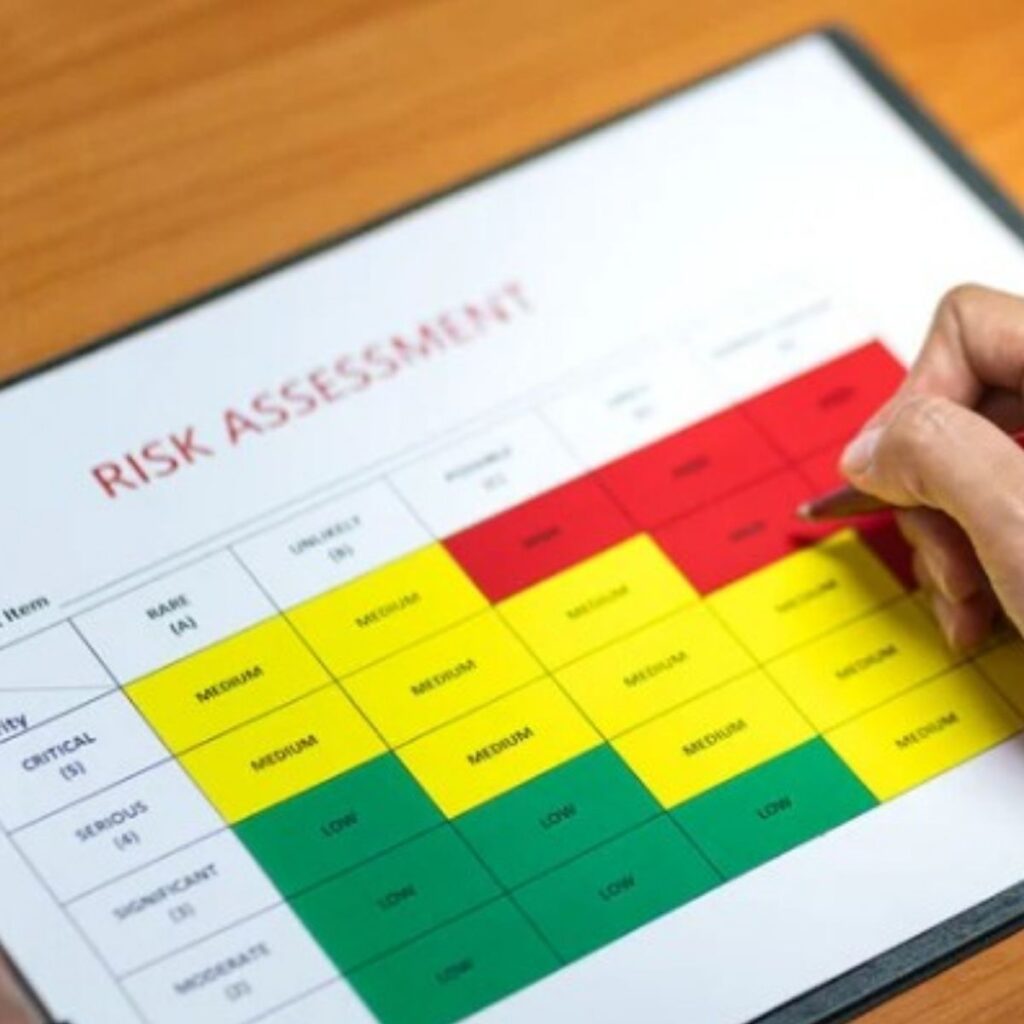
In Mexico, real estate leasing not only has contractual and tax implications. Under certain circumstances, it may also be classified as a vulnerable activity under the Federal Law for the Prevention and Identification of Operations with Illicit Resources (LFPIORPI). Understanding when this classification applies—and the obligations it triggers—is essential to avoid penalties and ensure the legality of real estate transactions. When Is Leasing Considered a Vulnerable Activity? The LFPIORPI establishes that real estate leasing is classified as a vulnerable activity when the monthly consideration exceeds 1,605 UMAs. In addition, when the monthly amount exceeds 3,210 UMAs, the lessor is required to file a notice with the competent authority, in accordance with the applicable legal framework. These monetary thresholds are critical in determining the scope and level of compliance obligations applicable to the lessor. Landlord Obligations under the LFPIORPI When leasing transactions exceed the thresholds established by law, the landlord must comply with certain obligations, including: Identifying the tenant and verifying the information provided Collecting and retaining documentation supporting the transaction Filing the corresponding notices with the authorities when the applicable amounts are exceeded Proper compliance with these obligations ensures transaction traceability and mitigates risks related to money laundering and terrorist financing. Why Is Compliance with These Provisions Important? Timely compliance with the LFPIORPI in real estate leasing transactions is essential because it: Prevents administrative and financial penalties Strengthens transactional transparency Builds trust with authorities, investors, and counterparties Protects the reputation of the project or real estate portfolio Failure to comply with these obligations may result in legal contingencies that jeopardize the continuity and viability of the transaction. Compliance and Legality at Every Stage of the Transaction Implementing compliance measures in lease agreements and other real estate transactions should not be viewed as an additional burden, but rather as a mechanism for legal, operational, and reputational protection. At Roqueñí Abogados, we advise our clients on the comprehensive implementation of LFPIORPI compliance obligations, ensuring that each real estate transaction is carried out in accordance with applicable regulations and with full legal certainty. Compliance also means protecting the transaction.

The retail sector is undergoing a profound transformation. Consumer interaction with commercial spaces continues to evolve, bringing new opportunities and challenges for real estate development in Mexico.