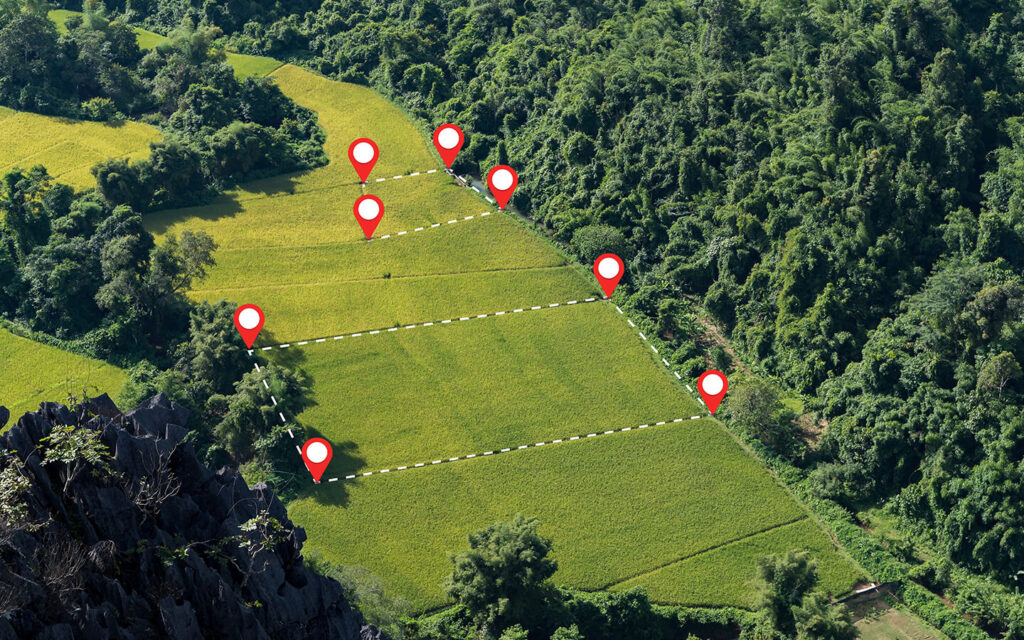
In the real estate sector, ejido land is often viewed as an attractive option for new developments, particularly because of its economic accessibility and the possibility of securing large land extensions. However, this initial appeal can quickly diminish if the associated legal risks are not properly evaluated and managed.
The ejido land regime in Mexico has unique characteristics that distinguish it from private property. Ejido owners cannot directly sell their land; they may only transfer its use through lease agreements. When these limitations are not addressed with the required legal formality, the agreement may be deemed null and void and lead to the loss of significant investments, exposing investors and developers to substantial financial losses.
Among the most common risks are:
• Lack of proper authorization from the Ejidatarios’ Assembly
• Improperly drafted or incomplete lease agreements
• Failure to register the agreement before the National Agrarian Registry (RAN)
Any of these errors can delay a project, jeopardize, or even invalidate a project entirely.
To mitigate these risks, it is essential to follow a structured legal process that includes obtaining Assembly approval, registering the agreement with the RAN, and conducting both a technical and legal review of the lease. These steps reinforce legal certainty and protect the investment throughout the project’s life cycle.
Roqueñí Abogados supports its clients from the earliest planning stages—evaluating advantages and limitations and ensuring that every step of the process complies with applicable agrarian and real estate regulations.
More than legal advisors, we are your business partners.