
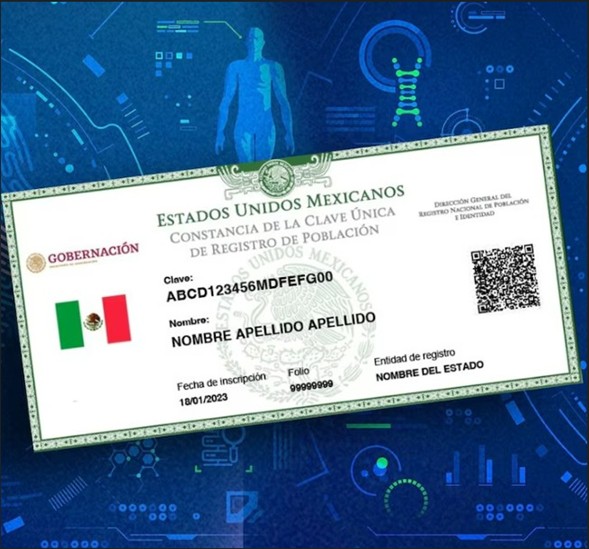
The CURP is no longer merely an administrative identification. Starting from February 2026, it will evolve into an official authentication mechanism through the incorporation of biometric data.
This is not a minor change. For the real estate sector, it represents a transformation in how transactions and the identification of those involved will be validated.
The question is no longer whether this new standard will impact the sector, but how and to what extent current processes must be adjusted.
What changes in practice?
The incorporation of the biometric CURP means that identity validation is no longer based on documents but becomes verifiable in real time. In operational terms, this translates to:
- Mandatory biometric validation at notary offices to formalize transactions.
- The standardization of KYC (Know Your Customer) processes as a requirement, not just a best practice.
- The need to digitally verify the identity of buyers, sellers, and authorized representatives.
This new framework reduces the risk of identity theft but also requires greater discipline in process integration.
Implications for Developers and Real Estate Companies
Real estate transactions depend not only on negotiation and contract structuring. They also depend on the proper integration of regulatory requirements at every stage of the process.
The adoption of the biometric CURP means that:
- Closing workflows must be adjusted in order to incorporate pre-closing validations.
- Deed execution timelines may be affected if the new requirements are not met.
- Coordination with notaries and third parties must anticipate these changes.
This is not merely a matter of complying with an additional formality, it is about reconfiguring processes to avoid operational delays.
Competitive Advantage Through Anticipation
As in other regulatory changes, those who anticipate them gain clear benefits:
- Reduced notarial closing times.
- Lower risk of rejections or delays due to incomplete validations.
- Greater legal certainty in transactions.
In an environment where closing efficiency can determine the success of a transaction, preparation is no longer optional.
A transition that requires support
The implementation of the biometric CURP is not merely a technical adjustment. It is a structural change in the way real estate transactions are validated in Mexico.
At Roqueñí Abogados, we advise developers, investors, and companies in the sector on how to incorporate these requirements into their operational and contractual processes, with the aim of ensuring a smooth, efficient, and legally sound transition.
The key question is not whether the change will happen. It is whether your transaction is already prepared to operate under this new standard.